Fluctuating July: Monthly Rainfall Goes Past The Normal

Key Takeaways:
- July rainfall is expected to end close to normal despite sharp week-to-week fluctuations.
- The all-India seasonal rainfall deficit is likely to remain around 15% by the end of July.
- East, Northeast, and Northwest India may receive better rainfall over the next ten days, while central India could enter a lean monsoon phase.
- South Peninsular India is expected to remain significantly rain-deficient, with the regional deficit likely to increase further.
- Forecast Validity: Next 3 to 5 days.
The month of July has witnessed fluctuating rainfall from week to week. The first week was exceptionally wet, reducing the June rainfall deficit of 40% to a seasonal deficit of 14% by July 9, 2026. This was followed by a dry spell during the second week, which erased the weekly surplus of nearly 50%. As a result, the seasonal rainfall deficit climbed to 24% by July 16 and remained unchanged until July 20.
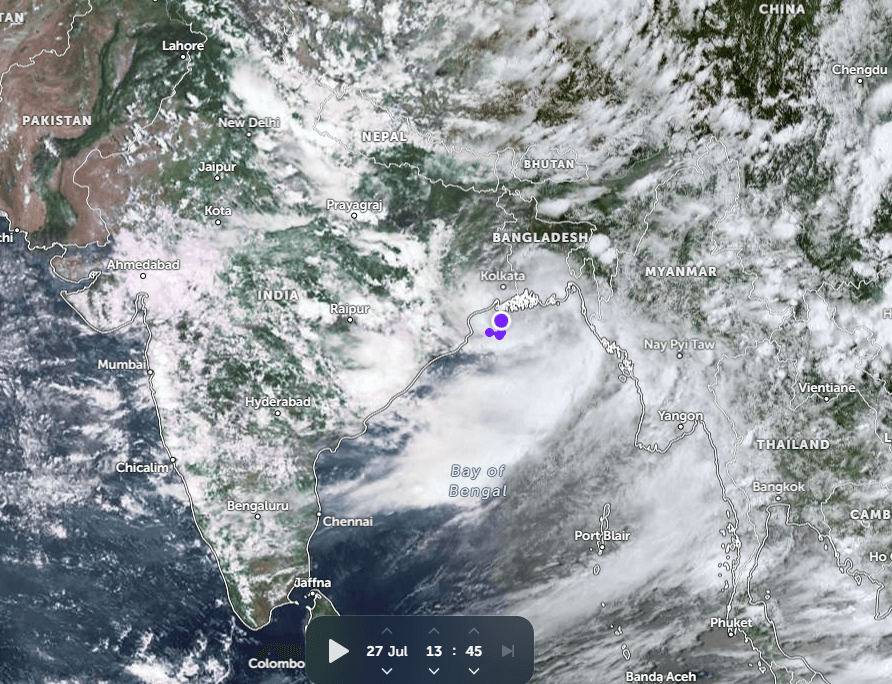
Thereafter, a spell of very heavy rainfall persisted for nearly four consecutive days, between July 21 and July 24. This wiped out the July rainfall deficit, bringing the month's rainfall back to normal and reducing the seasonal deficiency to 15%. However, with the weakening of the weather system, rainfall activity has reduced once again, and the seasonal shortfall is likely to increase marginally.
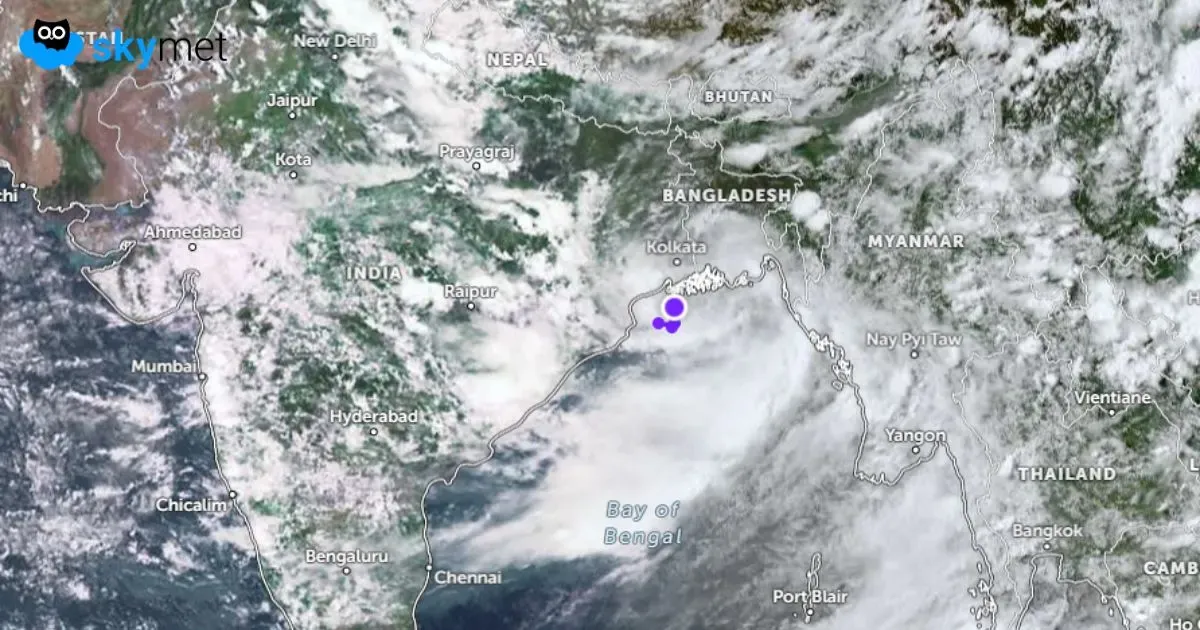
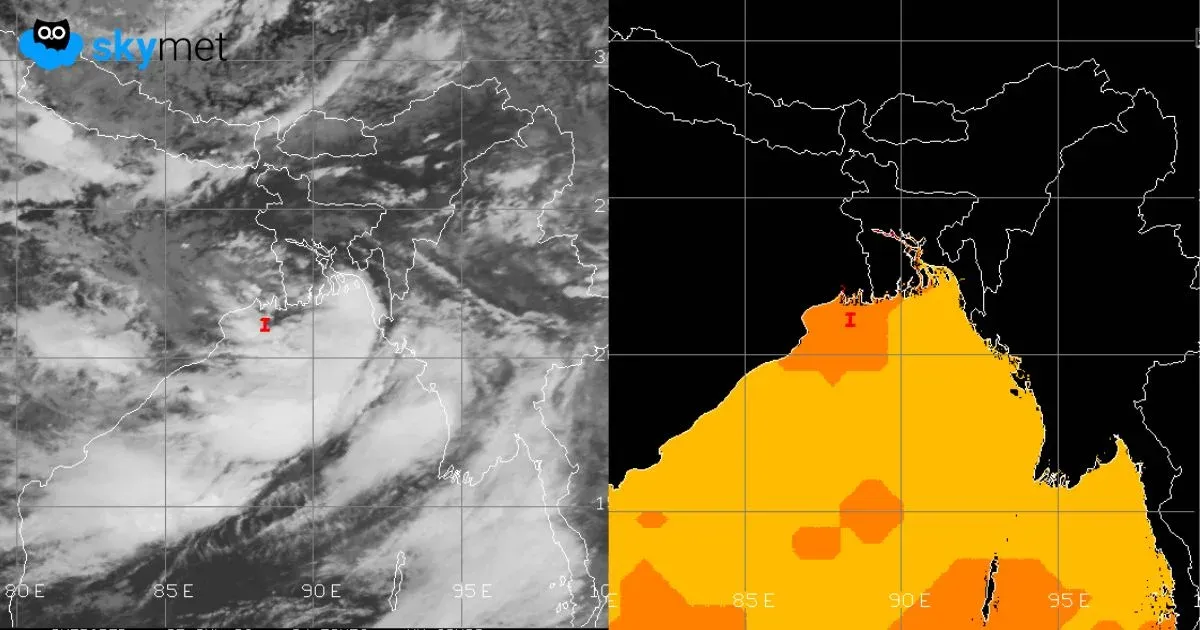
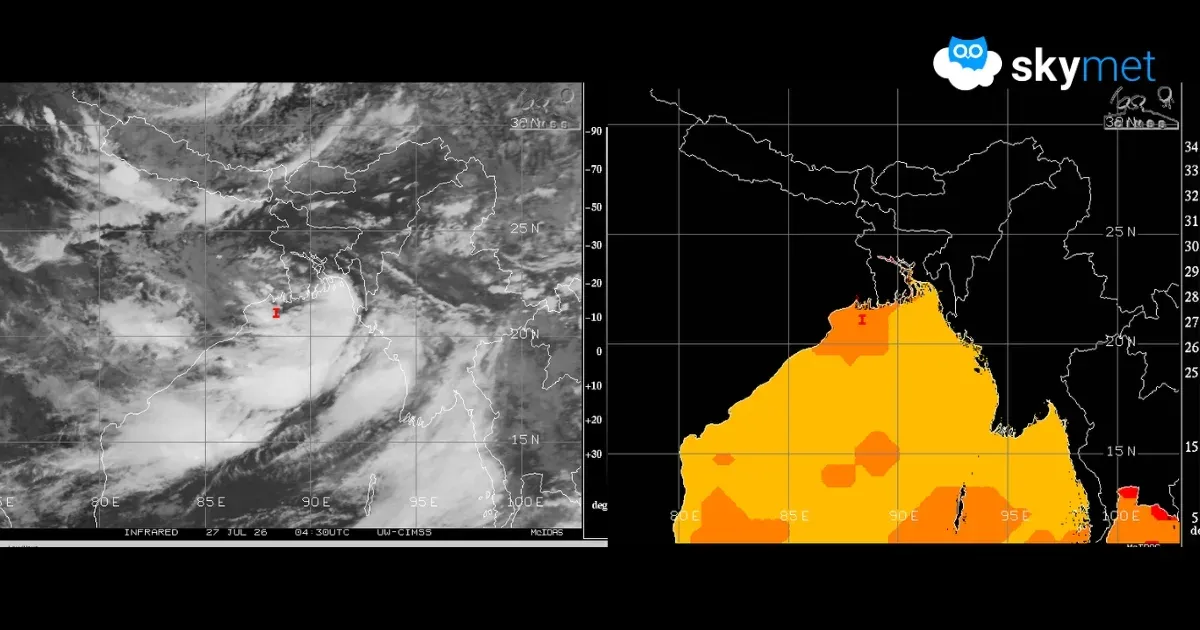
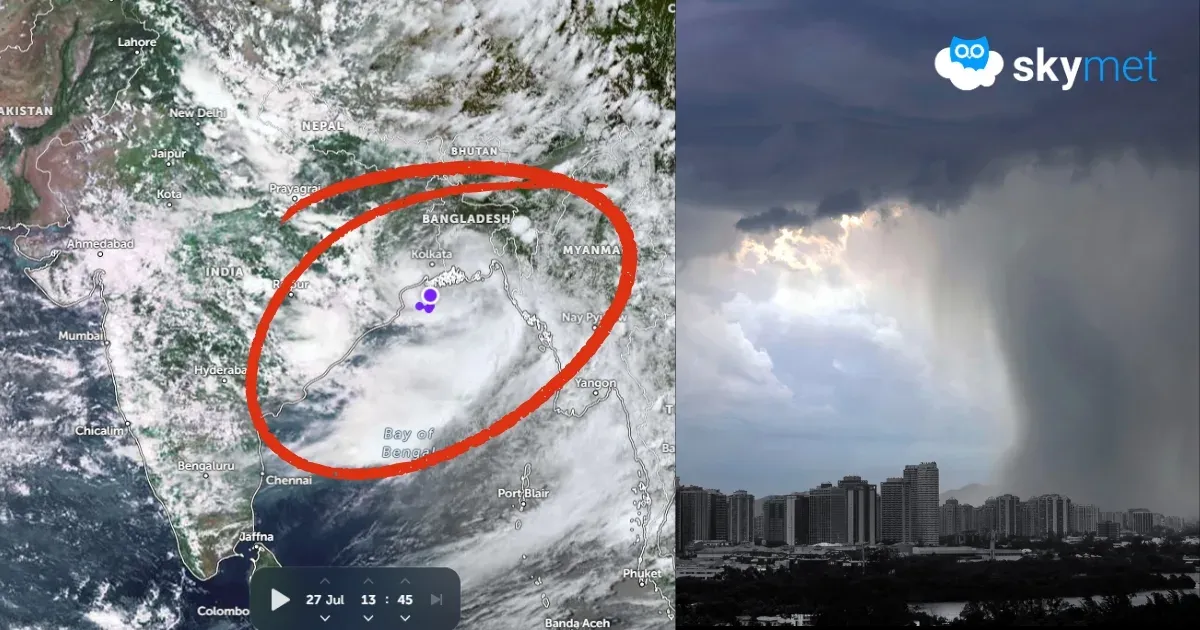
July, on its own, has recorded slightly above-normal rainfall. Between July 1 and July 26, the country received 238.2 mm of rainfall against the normal of 233.9 mm. The daily normal rainfall for the remaining days of the month is expected to be between 9 mm and 9.5 mm. A total of 46.6 mm of normal rainfall is still required before the month ends. With the deep depression over the Bay of Bengal and the cyclonic circulation over Rajasthan, no significant rainfall shortfall is expected during the last five days of the month. Therefore, July is likely to close with near-normal rainfall, while the seasonal rainfall deficit is expected to remain close to 15%, halfway through the monsoon season.
There is no clear indication of a major recovery during the second half of the season in August and September. Much will depend on the strength of the developing El Niño and the extent of the build-up of the Indian Ocean Dipole (IOD). East and Northeast India, along with Northwest India, are likely to witness a fairly good spatial and temporal distribution of rainfall over the next ten days.
The central parts of the country, including Maharashtra and Gujarat, may experience a lean phase of the monsoon during this period. Except for the coastal regions, the entire South Peninsula is expected to remain deprived of significant rainfall. The interior and southeastern parts of the peninsula are likely to remain particularly rain-starved. The existing regional rainfall deficit of 29% may increase further by the end of this month. A clearer picture regarding the seasonal rainfall outlook is expected to emerge during the first week of August.
Trending: