Dense Fog Ahead, Winter to Intensify: Here’s How to Stay Safe on the Roads


Image: AI-Skymet
Key Takeaways
- Dense to very dense fog is likely to return across north Indian plains, mainly during mornings and nights
- High humidity, light winds and mild nights are supporting persistent fog formation
- Visibility may drop to near zero at times, increasing risks on highways
- Weather updates and cautious driving are essential for safe winter travel
Winter is tightening its grip across north India, and while clear afternoons may offer brief relief, the larger outlook points to tougher conditions ahead. Our Forecast indicates that dense to very dense fog is likely to return across parts of Punjab, Haryana, Chandigarh and adjoining plains, particularly during late-night and early-morning hours.
Visibility on highways and open stretches may drop sharply, increasing travel risks if precautions are ignored.
Recent weather patterns explain this trend of high relative humidity, light winds and relatively mild night temperatures are creating ideal conditions for fog formation. Even after sunny afternoons, fog tends to redevelop quickly once temperatures fall after sunset.
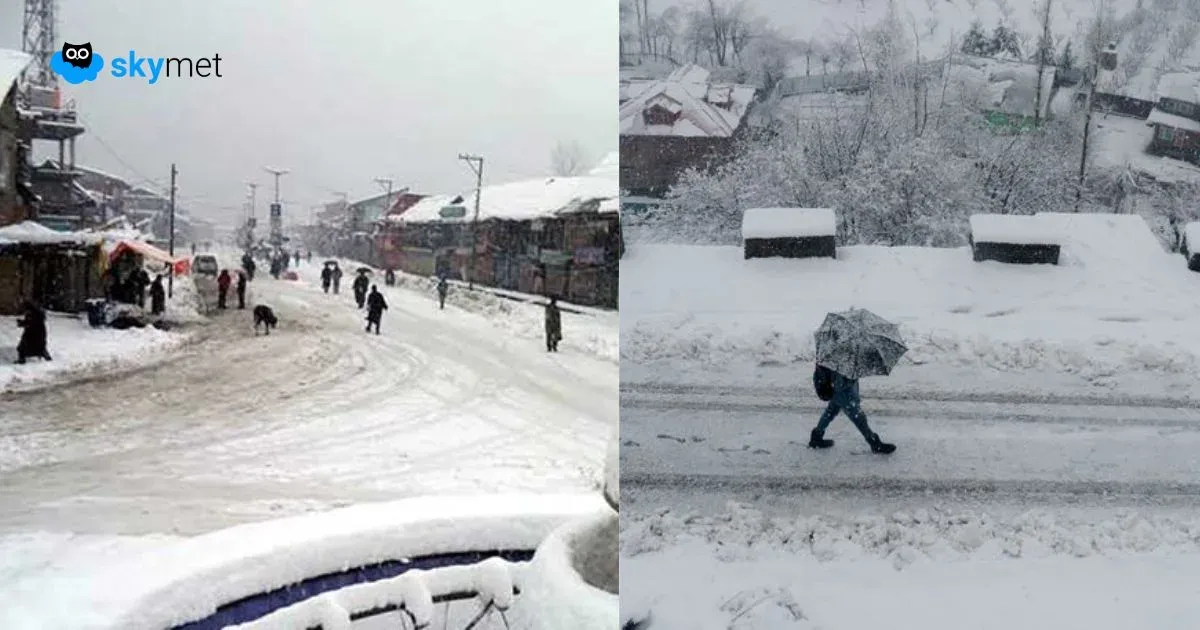
Meanwhile, winter activity is picking up in the hills, with fresh snowfall reported across Kashmir and more western disturbances expected toward the end of the month. This contrast between colder hills and warmer plains is further intensifying fog in low-lying regions.
So What Does the Forecast Say?
Dense fog is likely to dominate mornings over the next several days, with pockets of very dense fog reducing visibility to near zero at times. Day temperatures may vary depending on sunshine, but nights are expected to remain mildly cold, sustaining fog formation. Commuters and travellers, especially those planning early departures or winter road trips, are advised to remain cautious.
Fog Safety Tips You Must Follow While Driving
Driving in fog is less about confidence and more about awareness. These simple habits can significantly reduce risk when visibility drops:
- Follow the white line: Use the white line on the left edge of the road as a visual guide. Avoid focusing on the centre line, which can lead you toward oncoming traffic, especially on highways and curves.
- Keep windows crystal clear: Fog outside is challenging enough; condensation inside can worsen visibility. Use defoggers and air-conditioning to keep windscreens and mirrors clear. Even light misting can distort distance and depth perception.
- Track weather updates before and during travel: Likelihood of fog conditions, especially in cold wave changes quickly. Ensure to to check your local forecast or on our to support better route and timing decisions.
- Don’t overtrust GPS: Navigation apps show routes, not road hazards. They can’t alert you to sudden fog banks, stalled vehicles or near-zero visibility zones. Let road conditions dictate speed and judgment.
- Create a safety buffer: If fog becomes too dense, stop only at safe locations like fuel stations or designated lay-bys. Never stop on the road. Use hazard lights and wait for conditions to improve.
- Avoid sudden lane changes: Abrupt manoeuvres can confuse other drivers. Stick to your lane, use indicators early and make slow, predictable movements. When visibility is extremely poor, patience is the safest option.
Plan Smart, Travel Safe
Before setting out, always check fog advisories and weather updates. Carry essentials such as reflective triangles, warm clothing and a fully charged phone. Winter driving demands preparation and calm decision-making.
As fog makes a strong comeback and winter conditions intensify, informed choices will remain your best safety tool. Stay aware of forecasts with the Skymet App and ensure safer journeys, because reaching safely always matters more than reaching.