Southwest Monsoon Sets In Amidst El Nino Scare: MJO-IOD lack Assistance

Representational Image: AI-Skymet
Key Takeaways:
- El Nino conditions are rapidly developing over the equatorial Pacific.
- Extreme rainfall events may increase despite lower seasonal monsoon rainfall.
- Negative IOD and weak MJO phase may slow monsoon advancement.
- Historical El Nino years showed surplus rainfall in select Indian regions.
El Nino is categorized as the most chaotic event which has the potential to disrupt the climate and weather patterns across many parts of the globe. Typically, El Nino dries out parts of the planet, bringing less rainfall and higher temperatures across Southeast Asia, Australia, Africa and the Caribbean. India, in particular, sees less rainfall during El Nino summers. A lack of monsoon rains can trigger severe soil moisture deficit, causing crops to fail, more so in the core monsoon rainfed zone of central and western parts of the country. El Nino is known for changing Earth’s atmospheric moisture flows, causing droughts in some places and heavy rainfall in others. Scientists say the weather pattern can also yield unpredictability, with less overall precipitation but more extreme rainfall events. Researchers have come to the conclusion that while total rainfall consistently declines in India during El Nino, extreme rainfall paradoxically increases.
During the year 2015, an El Nino and drought year, West Rajasthan had a deluge with +46% rainfall of LPA. West Bengal, Saurashtra & Kutch and West Madhya Pradesh had surplus rainfall of 10%, 6% and 5% respectively. In 2009, once again, an El Nino and a severe drought year with the season’s rainfall at 78% of LPA, Saurashtra & Kutch registered a surplus of +26% rainfall and the state of Karnataka was above normal by 25% of seasonal rainfall. The states of Odisha and Tamil Nadu broke even to record absolutely normal rainfall for the season.
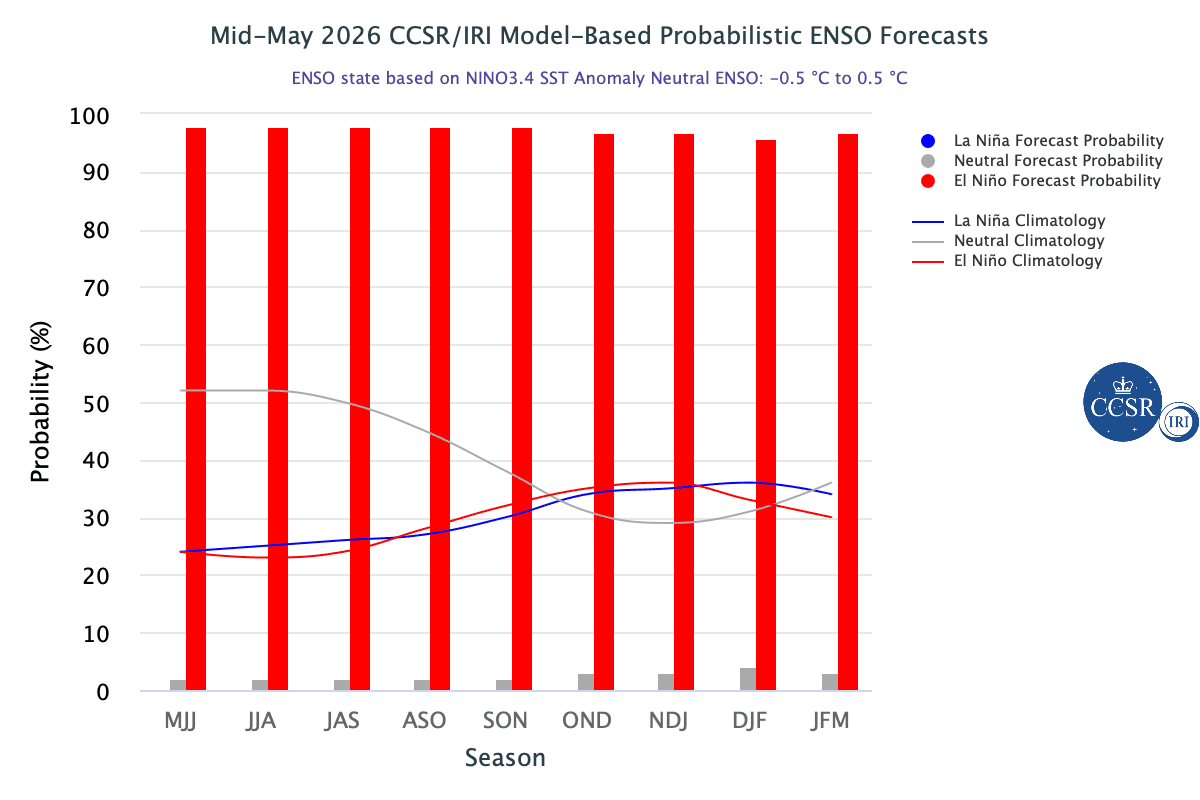
ENSO : The El Nino event has more than one teleconnection. For India, less snow cover in the Himalayas, as happened during the winter season of 2026, can bring a better monsoon, even in an El Nino year. The location of El Nino warming in the Pacific Ocean is also critical to the strength of the monsoon - if it is further east in the Pacific, it could have less of an effect on the Indian Monsoon. For higher latitudes, it takes time to feel the effect of El Nino, while in the tropics, the impact is faster. Overall, it is a little early to say how strong this El Nino will be and how its forces will converge with other weather conditions to impact the Indian monsoon.
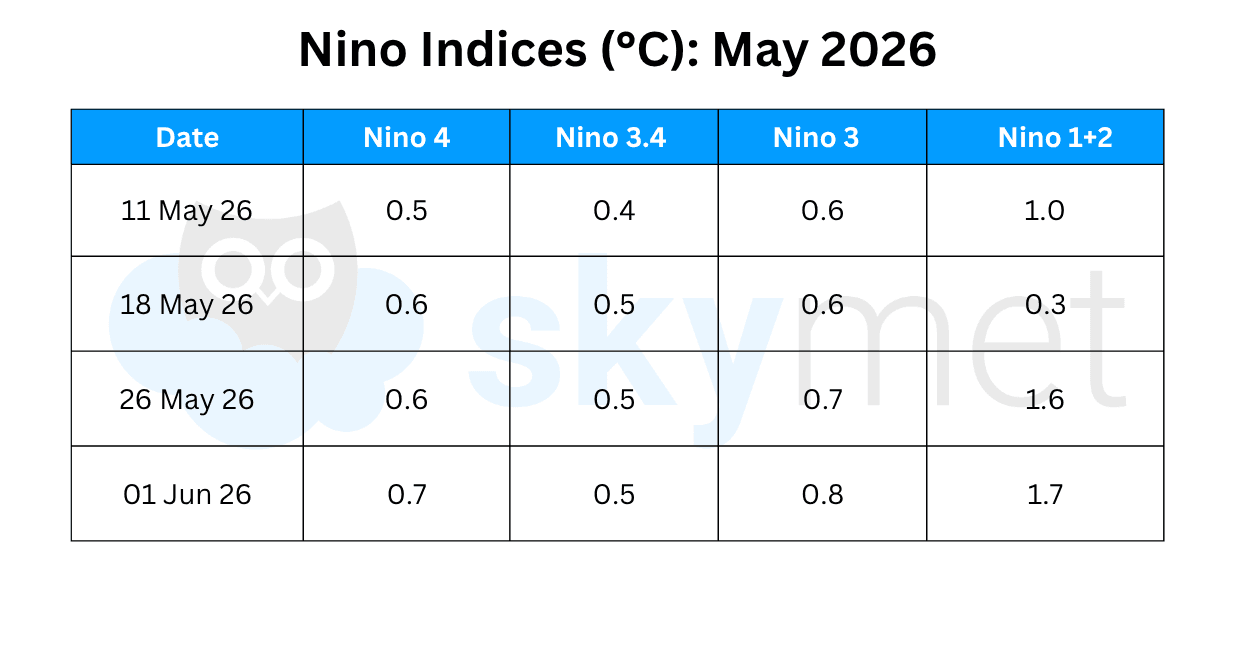
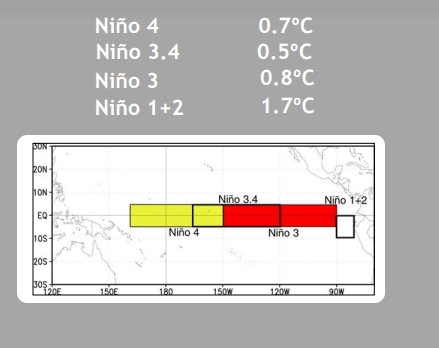
As of early June 2026, the equatorial Pacific is rapidly transitioning into El Nino conditions. While monthly SST anomalies remain near the borderline El Nino threshold, weekly values have surged well above it. Somehow, the Nino 3.4 index, the marker for ONI, is responding slowly. It has added marginal warmth, raising the temperature anomaly by just 0.1°C during the last four weeks. Flanks on either side are quite warm and the Nino 1+2 index, off the Peru Coast, has reached an all-time high of 1.7°C since Dec 2023.
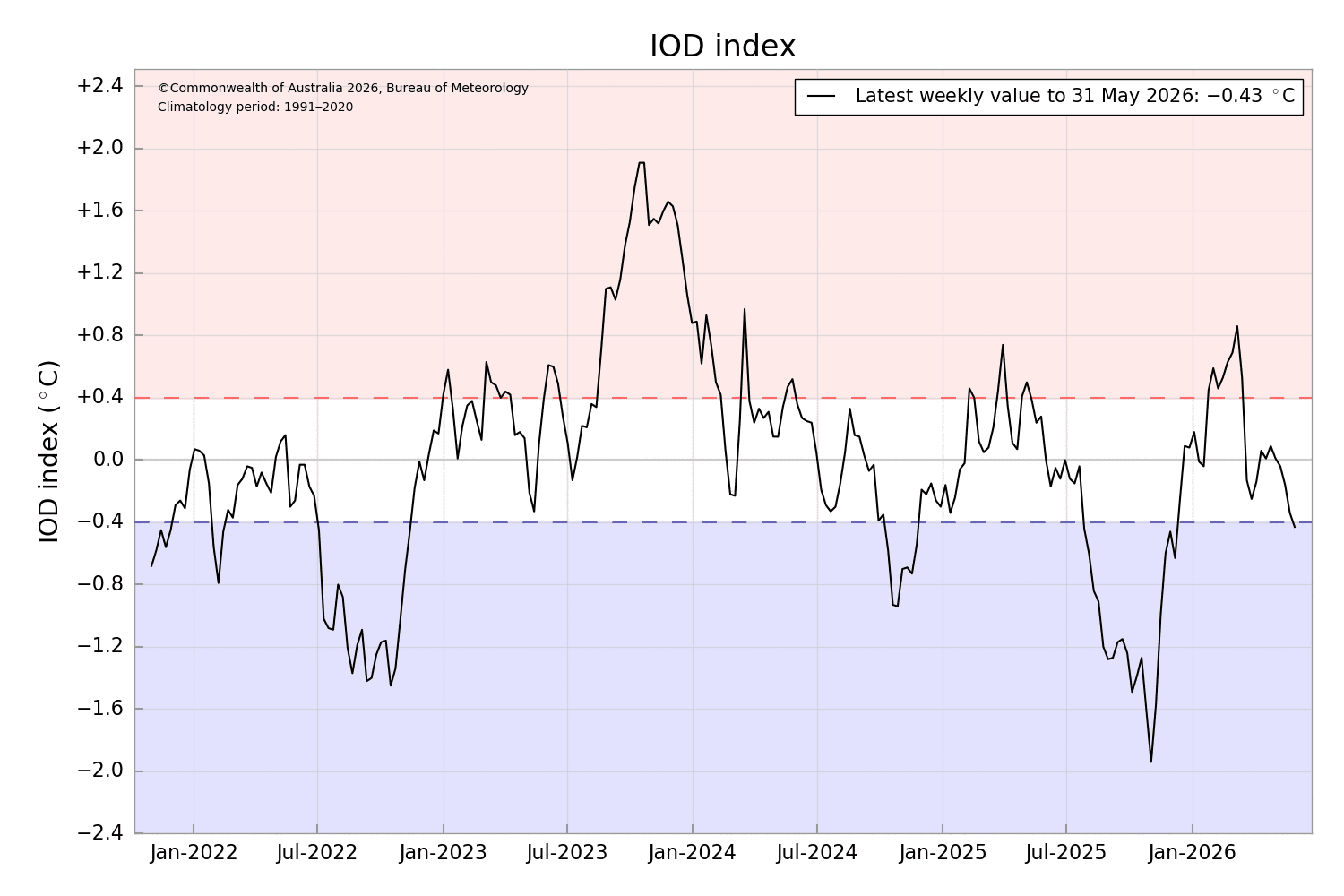
IOD : Unlike the El Nino and ISMR relationship, the DMI-ISMR correlation is considerably weaker. For strong positive IOD events, with a standard deviation of >/= 1, the ISMR is observed to have positive aberration. During El Nino years, the IOD generally turns positive. However, the stronger the El Nino event, as expected this season, the lesser is the impact of IOD on rainfall. The IOD so far seems to be defying the normal trend. The Nino 3.4 index has started indicating the beginning of El Nino, but the IOD is maintaining close to the negative threshold of -0.4°C. The weekly index value of the IOD, as on 31st May 2026, is -0.43°C, which is marginally below the threshold mark.
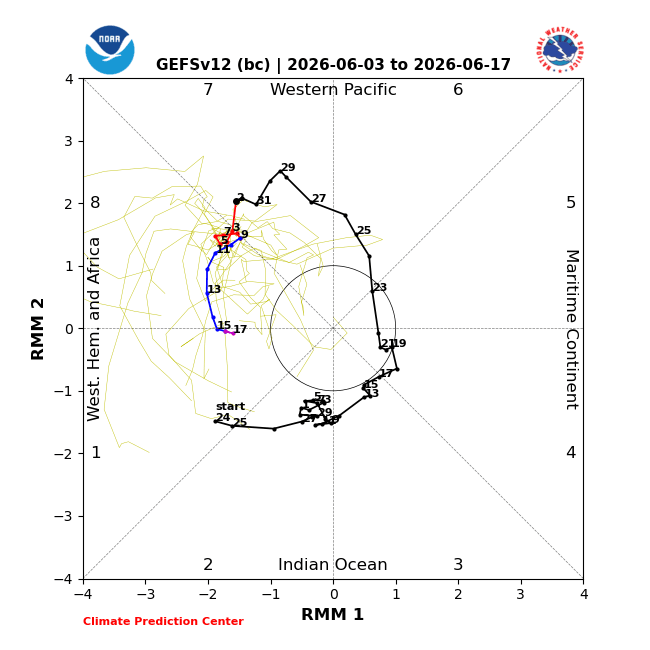
MJO : Madden-Julian Oscillation is one of the dominant modes of intra-seasonal variability in the tropical atmosphere. The MJO has close linkage with the onset of the Asian summer monsoon, which by itself is a large-scale atmospheric and oceanic circulation in the Indo-Pacific region and beyond. The onset and further progress of the Indian Summer Monsoon get accelerated with the arrival of the wet phase of the tropical MJO over the Indian Ocean, while a delayed onset is likely caused by the dry phase of a strong MJO that suppresses background changes associated with seasonal transition. The strong pulse of MJO is likely to propagate across the Western Hemisphere and Africa in Phase 8. This position will offer hardly any help in pushing the monsoon.
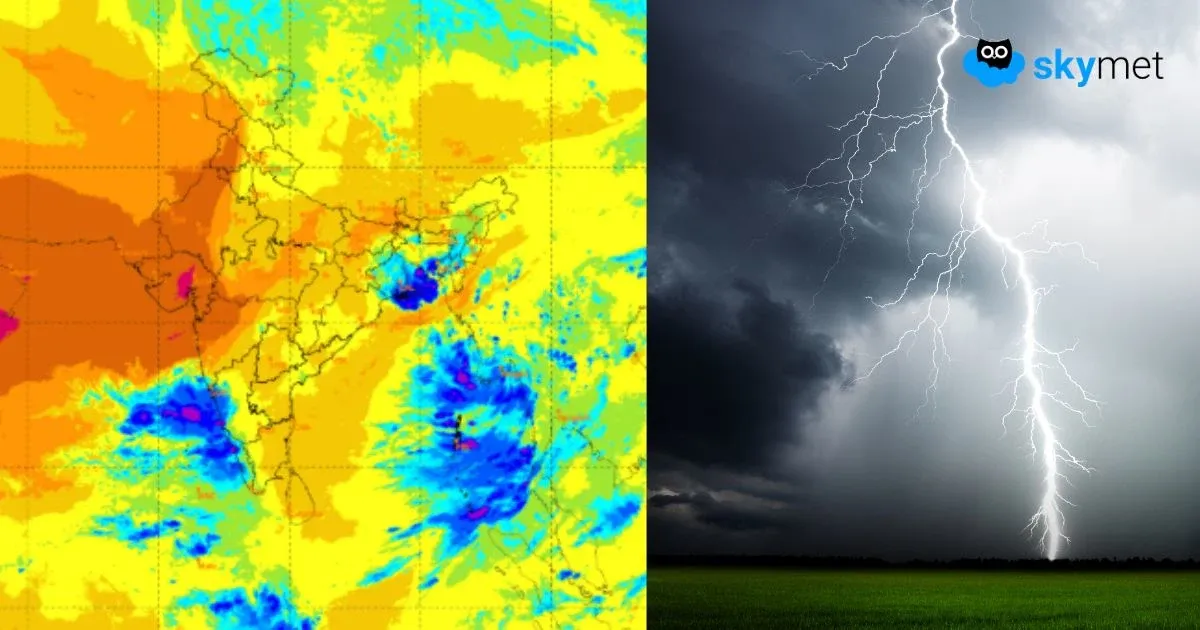
The southwest monsoon has set in over the Indian sub-continent. It has covered the entire state of Kerala, Lakshadweep and Mahe and brushed the southern tip of Tamil Nadu. Negative IOD and out-of-phase MJO may not offer any support to accelerate monsoon progress further up.