


°C
Current temperature
5:30 AM, Jan 01, 1970 Temp (Min/Max)
°C
°C
 Humidity
%
 Rainfall probability
%
 Wind speed

km/h
()Hourly
7 Days
15 Days

Weather buddy
From January 17th to the 27th, enjoy mostly sunny skies with temperatures ranging from a chilly 12°C to a warm 27°C. Expect humidity levels between 35% and 99%, but no rain in sight as total rainfall is expected to be minimal at just 0.0 mm. Breezy conditions will prevail with an average wind speed of around 13 km/h. Enjoy the clear weather!

Rainfall probability

Wind speed
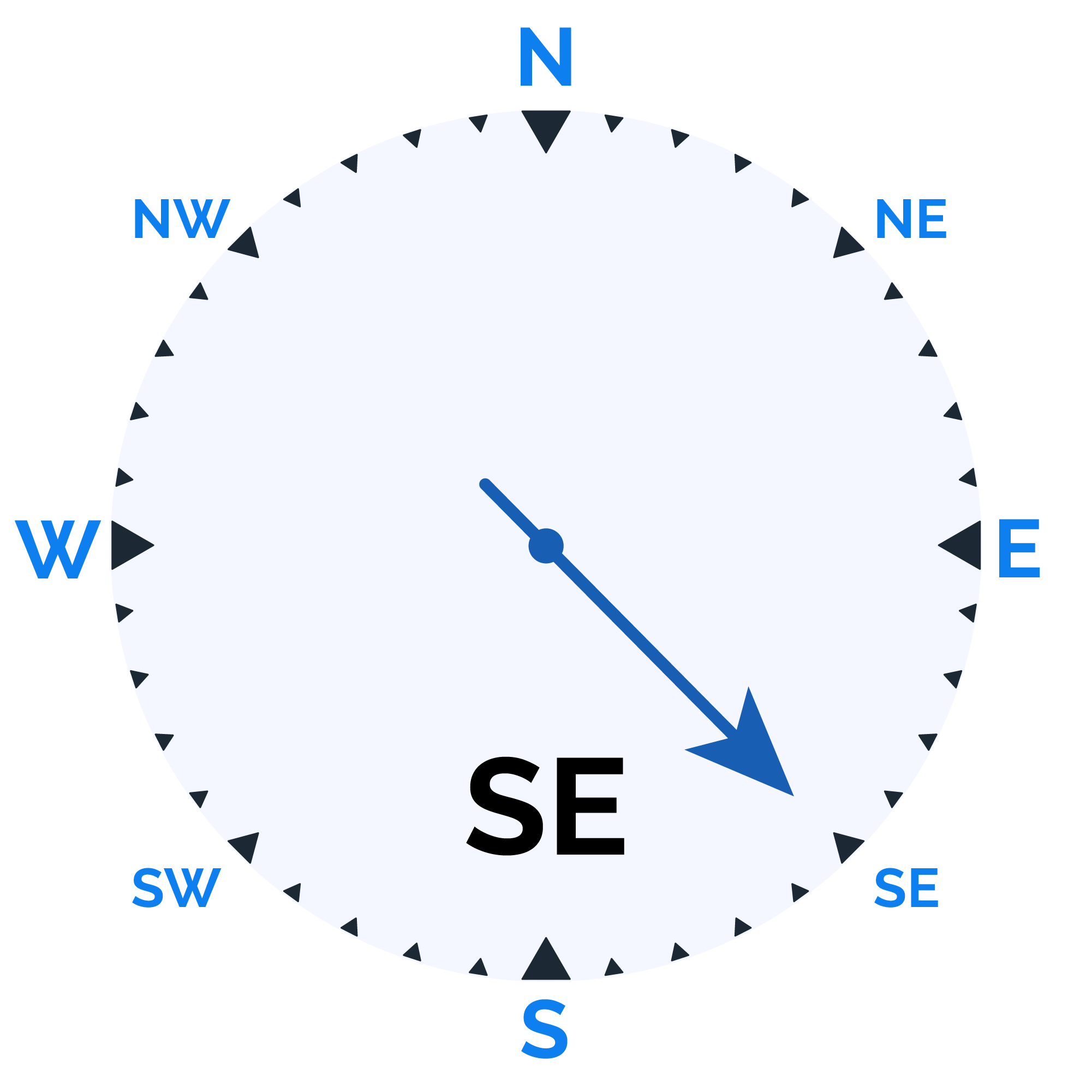
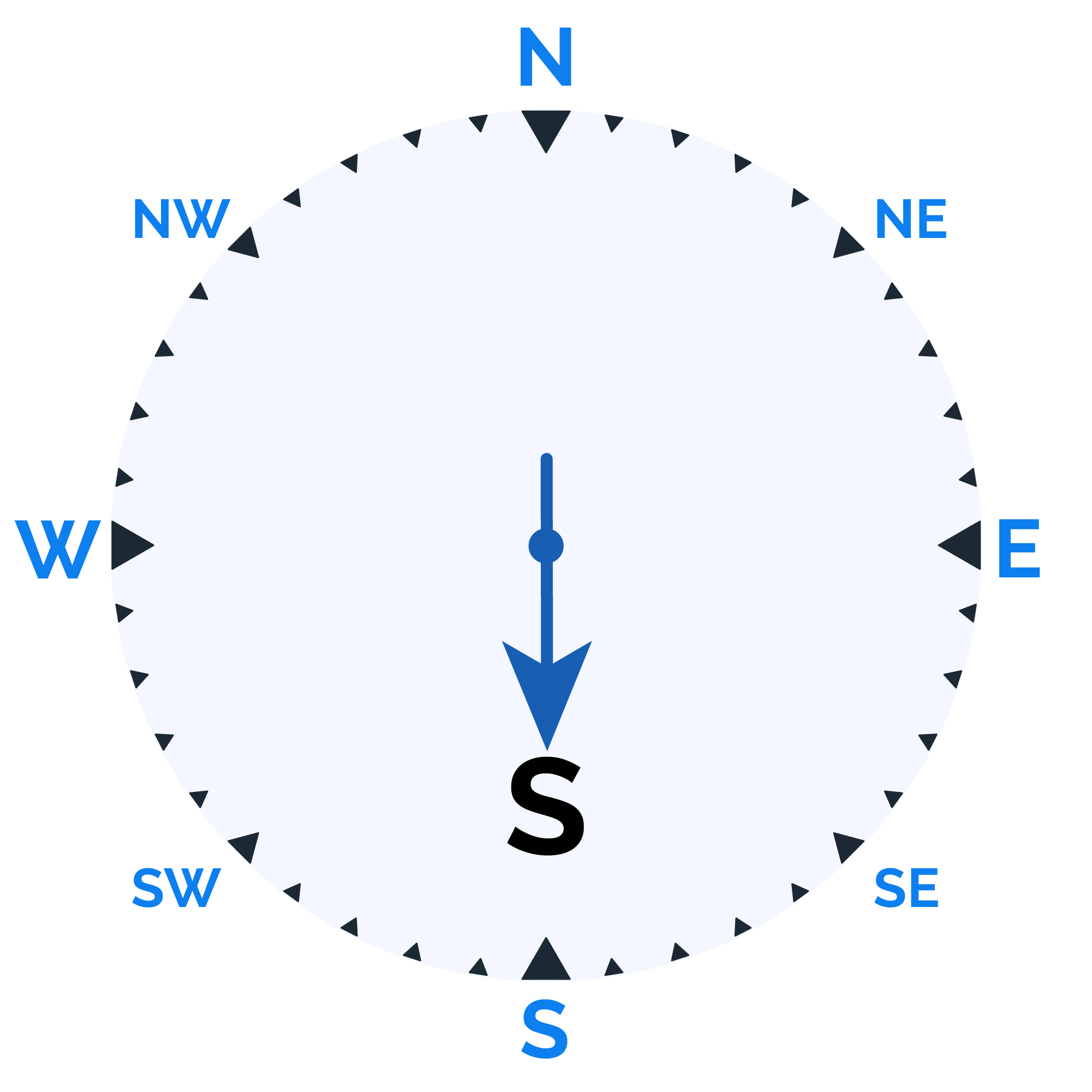
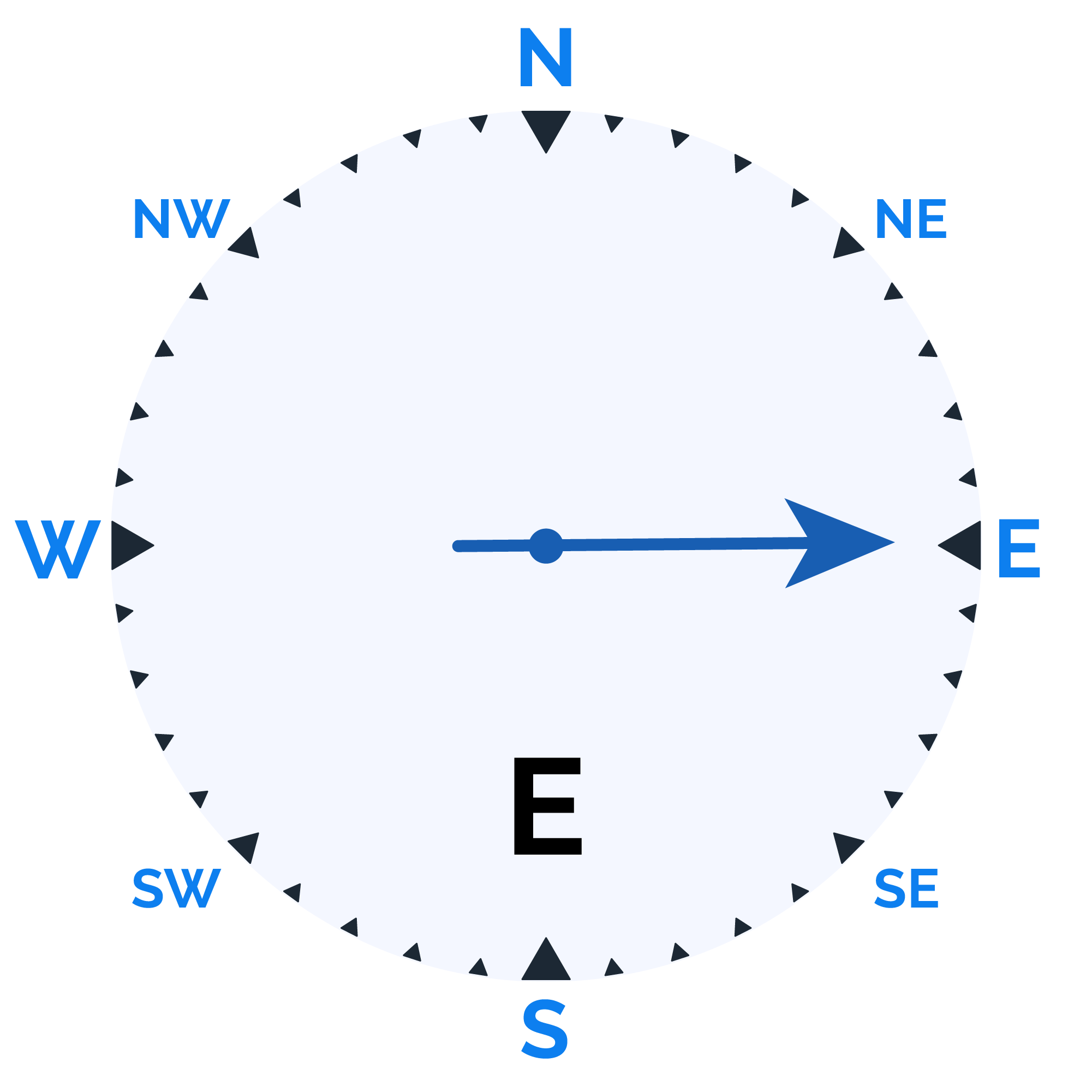
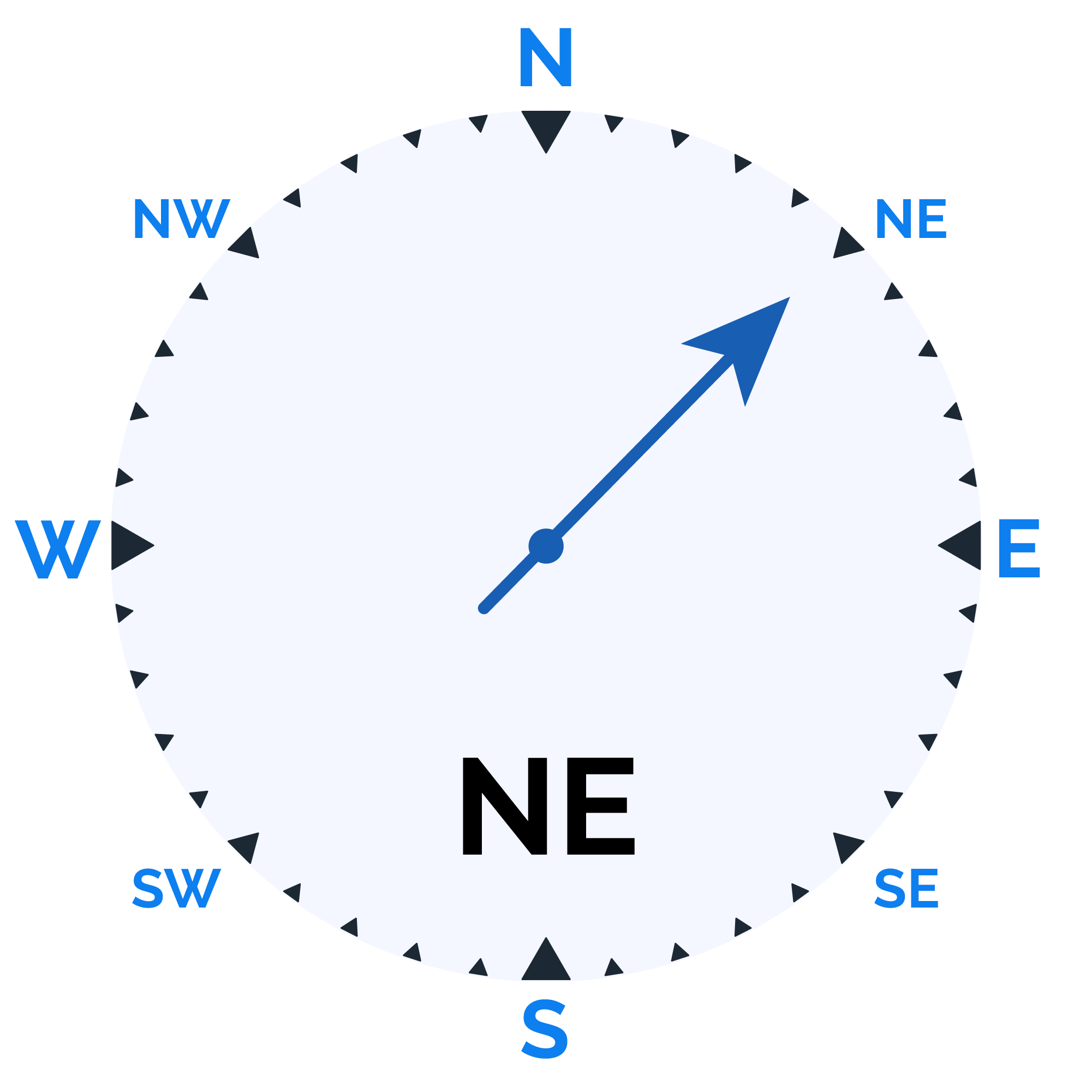
Humidity

Sunrise/Sunset


Moonrise/Moonset

Weather buddy
Today's weather will begin with sunny conditions in the morning, as temperatures range from a comfortable 13.0°C to a warm 25.0°C. Humidity levels will vary between moderate and high at 49%-98%, while wind speeds are steady around 8 km/h. The skies remain clear throughout the morning with no precipitation expected. The sunny weather continues into the evening, as temperatures slightly increase to a pleasant range of 25.0°C to 27.0°C. Humidity will be on the lower end at 40%-50%, providing a dry atmosphere for those out and about. Wind speeds gently pick up to around 8.3 km/h, but still with clear skies and no rainfall in sight. Cooking oil is an essential ingredient used worldwide. It not only adds taste and texture to various dishes but also plays a crucial role in cooking processes such as frying, sautéing, and baking. However, the environmental impact of disposable cooking oils has become a significant concern due to waste accumulation and associated pollution. Given these concerns, many countries have initiated recycling programs specifically for used cooking oil (UCO). These programs aim to collect UCO from households, restaurants, and industrial sources and convert it into valuable resources like biofuels or biodiesel. Here's a detailed examination of the process: 1. Collection and sorting: Used cooking oils are collected from various sources through designated drop-off locations such as recycling centers, restaurants, and farms. These oils are then transported to processing facilities for further treatment. 2. Dehydration: To prevent mold growth during storage and handling, the UCO is dehydrated by removing water content using a process called "drying." This step involves heating the oil at high temperatures under controlled conditions. The removed moisture can be evaporated or filtered out from the UCO. 3. Filtering: After drying, the oil is passed through filters to remove solid particles and impurities such as food debris, grease, and other contaminants. This filtration process ensures that only clean oil enters the conversion stage for biodiesel production. 4. Transesterification: The filtered UCO undergoes a chemical reaction called transesterification to convert it into biodiesel (methyl ester) and glycerol. In this process, an alcohol (usually methanol) is mixed with the UCO in the presence of a catalyst (e.g., sodium or potassium hydroxide). The transesterification reaction separates biodiesel from glycerin and other byproducts. 5. Purification: After transesterification, both biodiesel and glycerol are separated using techniques such as settling tanks, centrifuges, or decantation. Biodiesel is then further purified to meet industry standards for use in diesel engines. 6. Utilization of byproducts: Glycerin produced during the transesterification process can be used in various industries such as pharmaceuticals, cosmetics, and food production. It may also undergo additional processing steps like purification or conversion into other valuable chemicals. 7. Recycling of biodiesel: The biodiesel produced through recycling UCO can be used directly in diesel engines with minimal modifications. Some countries have implemented policies to encourage the use of biofuels, such as subsidizing biodiesel prices or offering tax credits for using clean energy sources. 8. Environmental benefits: Recycling cooking oil helps reduce waste accumulation and its negative impact on landfills, sewers, and waterways. Converting UCO into biodiesel also offers a sustainable alternative to fossil fuels by reducing greenhouse gas emissions and decreasing dependence on non-renewable energy sources. In conclusion, recycling used cooking oil is an effective way of mitigating the environmental impact caused by its improper disposal. Through efficient collection, processing, purification, and utilization, UCO can be transformed into valuable resources like biodiesel, contributing to a circular economy while promoting eco-friendly practices in the food industry.
Temp (Min/Max)
Clear Sky Humidity
52%
 Dew Point
18°C
Highly Humid
Wind speed
9 km/h
Wind Speed


